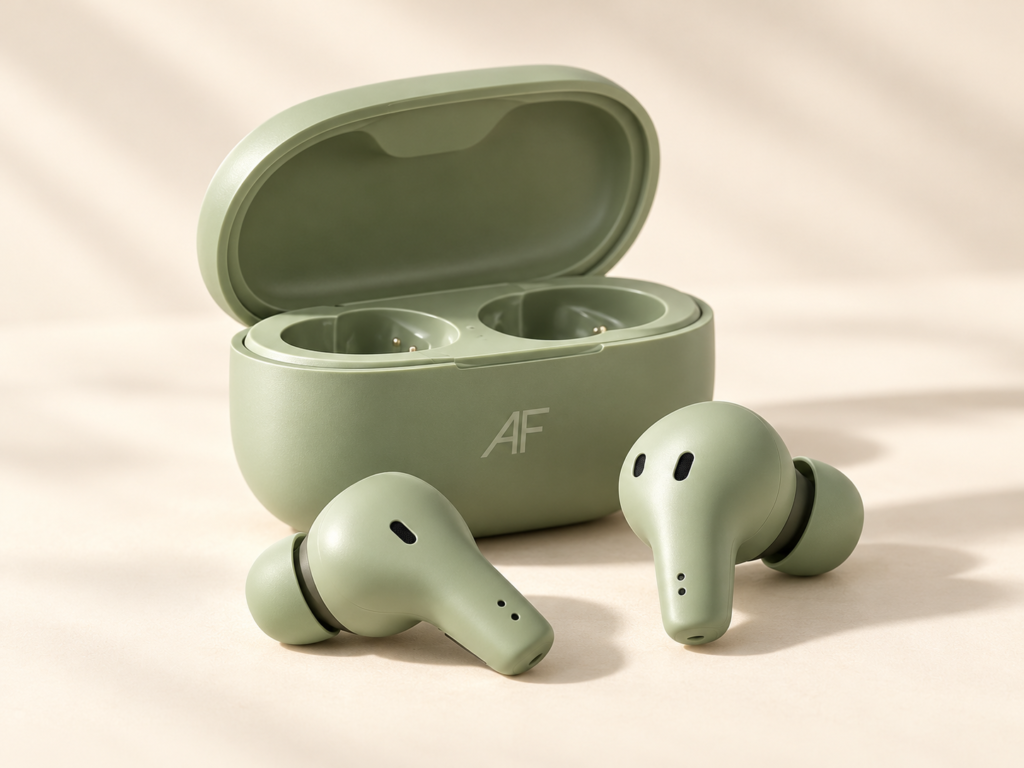
AUDIOFORM DEMO is fictional. This article illustrates the information that can make a supplier discussion more useful; it makes no production, certification or price promise.
Start with the buyer and destination
Describe your sales channel, audience and destination market. Explain whether this is a first launch, a range extension or a comparison exercise.
State what is decided
List the preferred wearing structure, model shortlist, listed color and intended functions. If no model is selected, describe the project without forcing a configuration choice.
Separate customization requests
Logo, retail packaging, bespoke color and supported pairing-name changes are separate scopes. List each requested change and its priority, rather than assuming one quantity covers every combination.
Provide a quantity and sample plan
Give an indicative quantity and clarify whether it is per model, color or combined range. Ask for the sample route, approval steps and model-specific MOQ instead of treating illustrative website values as an offer.
Share only relevant attachments
A short artwork or packaging brief can reduce ambiguity. Confirm file ownership and include only material needed for this inquiry. Keep unresolved questions visible in the written brief.
Keep the project handoff traceable
Link the chosen model, color configuration and artwork revision before handing the brief to the next reviewer. This is a fictional maintenance example, not a verified production specification.
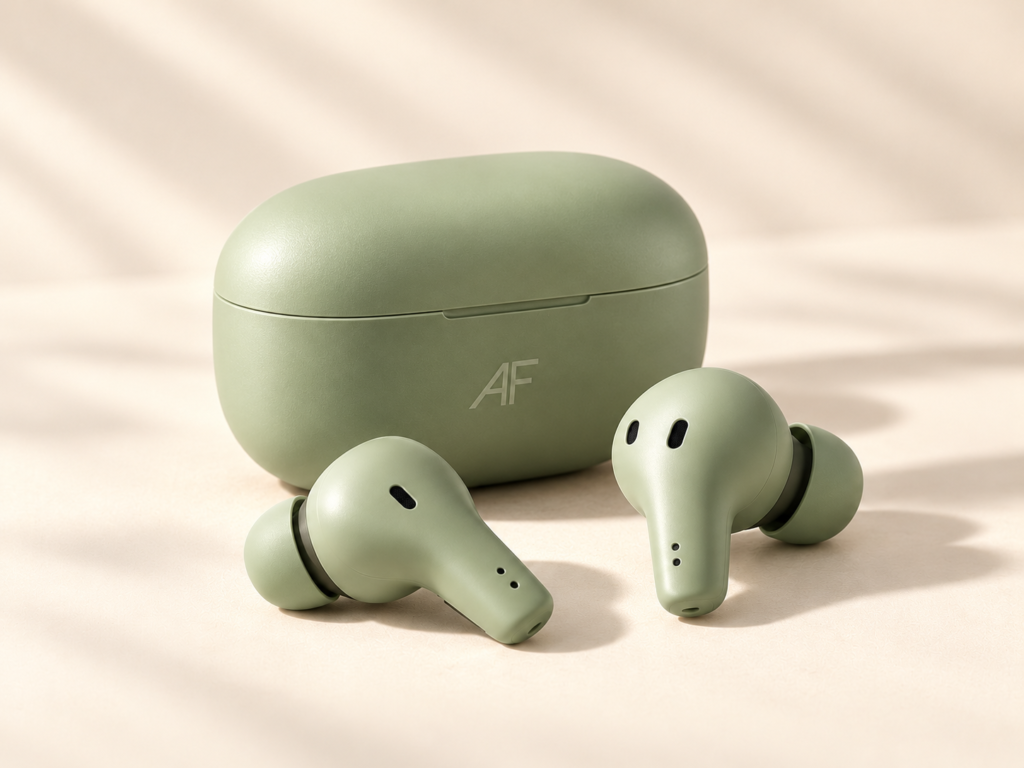
A practical revision record
| Item | What to record |
|---|---|
| Color | Stable configuration code and reference image |
| Artwork | Dated logo and packaging file revision |